MUTIAN42,000+ FIP cats supported worldwide84-day protocol guaranteeFast shipping
MUTIAN

Worldwide, more than 42,000 cats with FIP have been saved.

Recovery from FIP is now the norm. An 84-day standardized protocol with data review and clinical support brings every cat home.

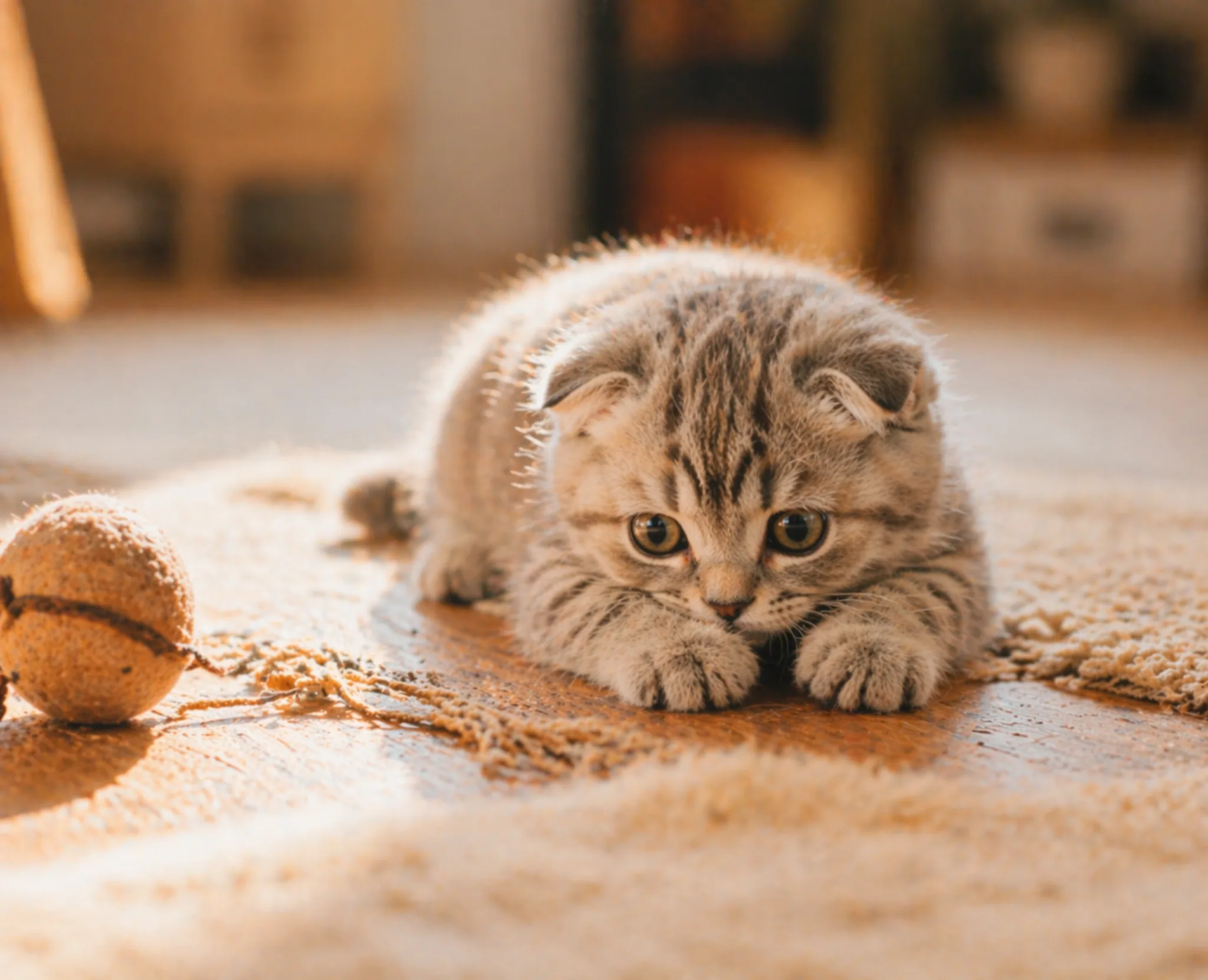
A Scottish Fold cat resting calmly

HOW IT WORKS

Read up on FIP
Understand the symptoms, types, and protocol logic so you know what to expect.
Register and order
Add your cat's profile, choose a protocol, and complete checkout and shipping.
Coordinate with your vet, start the protocol
We companion you end-to-end with indicator review and clinical decision support.
FOR VETERINARIANS
Are you a registered veterinarian?
Once verified, unlock partner pricing, full product documentation, and clinical support.
Verify and join the alliance
01 — WHAT IS FIP

What is Feline Infectious Peritonitis (FIP)?

Understanding the cause helps you see why early diagnosis matters
and why 84 days.

Many cats carry feline coronavirus (FCoV). It is highly transmissible but low in virulence — in most cases it causes only mild enteritis (diarrhea, vomiting) or no symptoms at all.

The trouble starts with a mutation. In roughly 10% of FCoV infections the virus undergoes a critical mutation and begins infecting the immune system's core cells — macrophages. At that point it becomes the FIP virus (FIPV), the agent behind feline infectious peritonitis.

FIP is an immune-mediated, lethal viral disease. Once symptomatic, the historical median survival was about 9 days. For decades there was no effective therapy, so FIP was treated as a death sentence.

In multi-cat households, breeding catteries, and shelters, FIP incidence is markedly higher than in single-cat homes — the virus spreads more easily, kittens have weaker immune systems, and stress is greater.

Key factFIP only affects cats. It does not infect dogs or humans.
~10%
OF FCOV INFECTIONS
Mutate to FIPV and progress to disease.
9 days
HISTORICAL MEDIAN SURVIVAL
Without intervention, cats typically die within 9 days of symptom onset.
6 mo–2 yr
HIGHEST-RISK AGE BAND
Kittens and young adults carry the highest risk.
65%
OF CASES ARE WET
The remaining 35% are dry; a small subset are mixed.

Have a vet diagnosis? Open your cat's record now.

Spend 3 minutes entering symptoms, age, weight, and recent bloodwork to start the case file.

02 — Symptom recognitionWHAT TO LOOK FOR

If you see these signs, act today.

FIP has no single "specific" symptom — its early signs overlap with many common feline conditions.
But when several of the patterns below appear together, take it seriously.

Body condition changeJaundiceReduced appetitePersistent feverOcular signsAbdominal swellingRapid breathingNeurological signs
Cat showing weight loss and lethargyBoth wet and dry forms
1
SYMPTOM · 01 · OVERALL

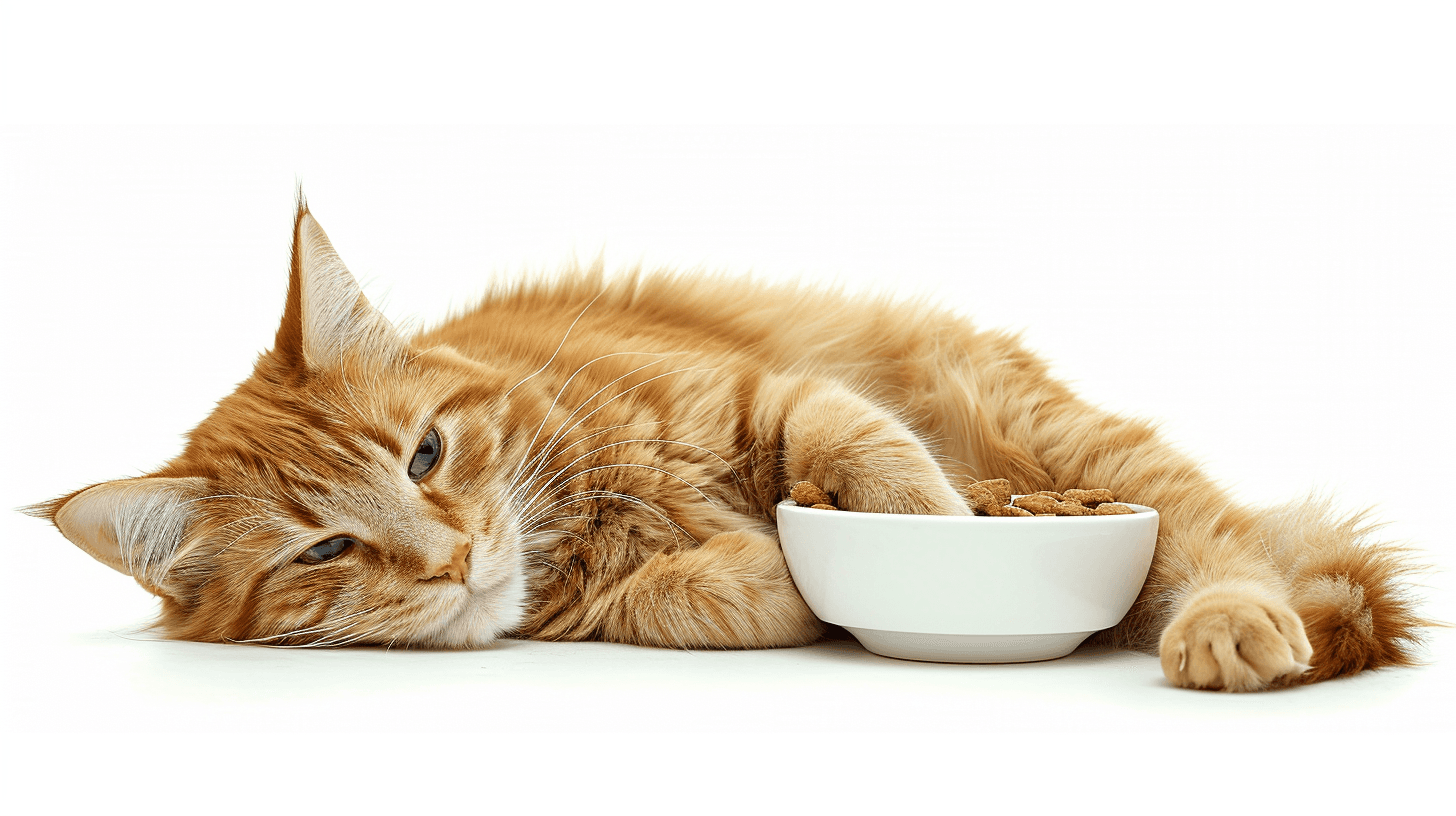
Overall weight loss and lethargy

The most common change parents notice — the spine, hips, and shoulder blades become prominent; the coat looks coarse and dull; activity drops, the cat hides and sleeps more. Kittens fall off the growth curve. A weight drop of more than 10% in a month deserves attention.
Usually appears earliestPaired with reduced appetitePersisting beyond 7 days warrants a vet visit
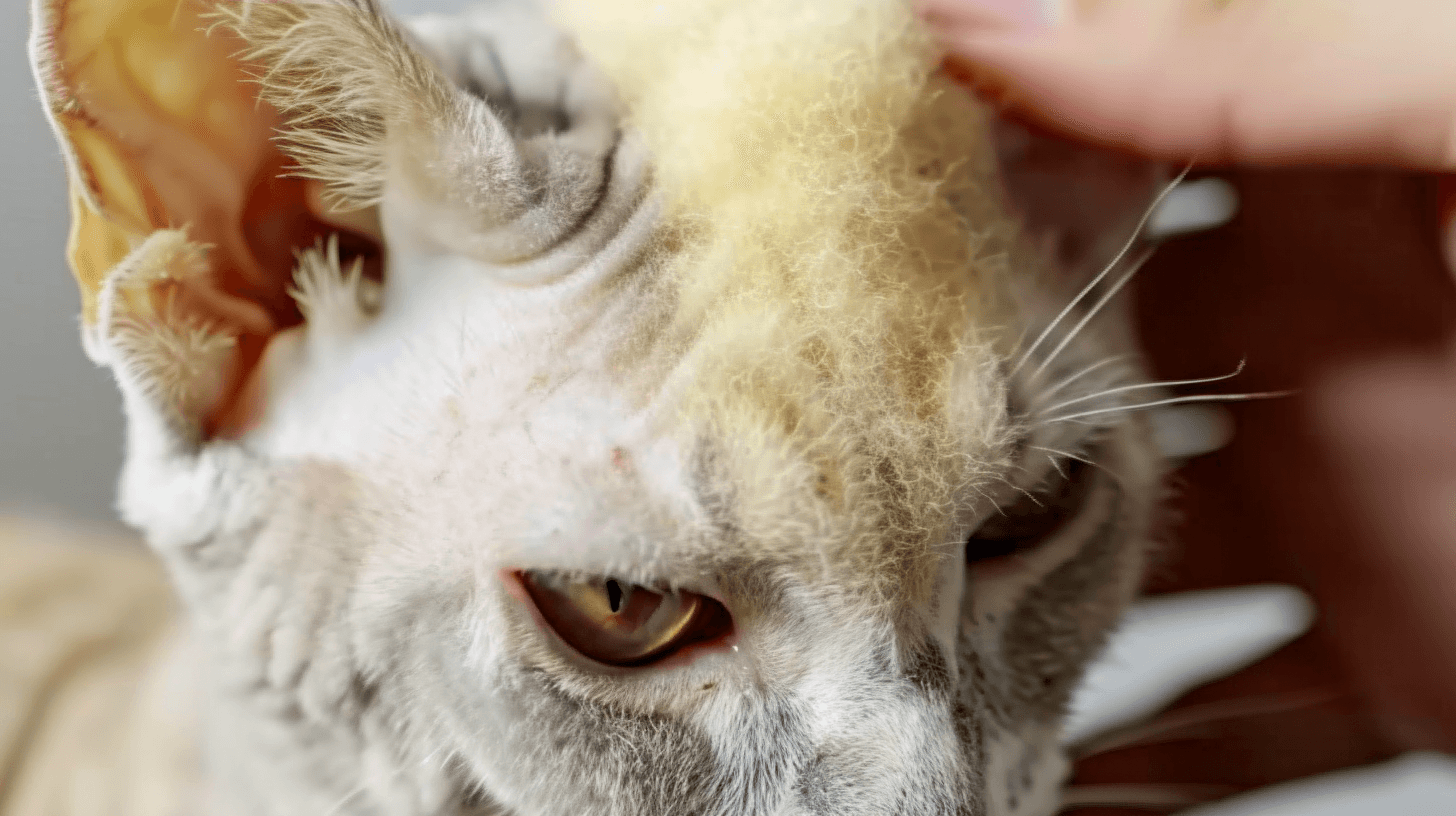
Yellow tint visible in the cat's earsYellow tint visible on the cat's noseHyperbilirubinemia
2
SYMPTOM · 02 · JAUNDICE

Jaundice — yellow tint in ears, nose, and gums

Liver involvement or hemolysis raises bilirubin in the blood. The first visible sites are the inner ear skin, nose bridge, and upper gums, which take on a warm yellow cast. It is easier to spot in natural daylight by comparing with a healthy cat. Urine may shift from pale gold to deep yellow.

Common in mid- to late-stageAppears in both wet and drySend us a photo for review
A withdrawn cat hiding in a quiet cornerBehavioural signal
3

Behavioural change — flat, withdrawn, no longer playful

Low energy, sustained sadness, lack of engagement with the family, indifference to toys and play, actively seeking corners to hide — these withdrawals often appear earlier than jaundice but are easily dismissed as "just a bad mood." Reduced appetite (anorexia) is also typical at this stage: from picky eating to refusing food entirely; kittens may stop growing. Two days of refusing favourite foods is worth taking seriously.

Earliest common signalBoth wet and dry formsPair with a temperature log for clarity
Vet measuring a cat's temperatureAntibiotic-resistant
4
SYMPTOM · 04 · FEVER

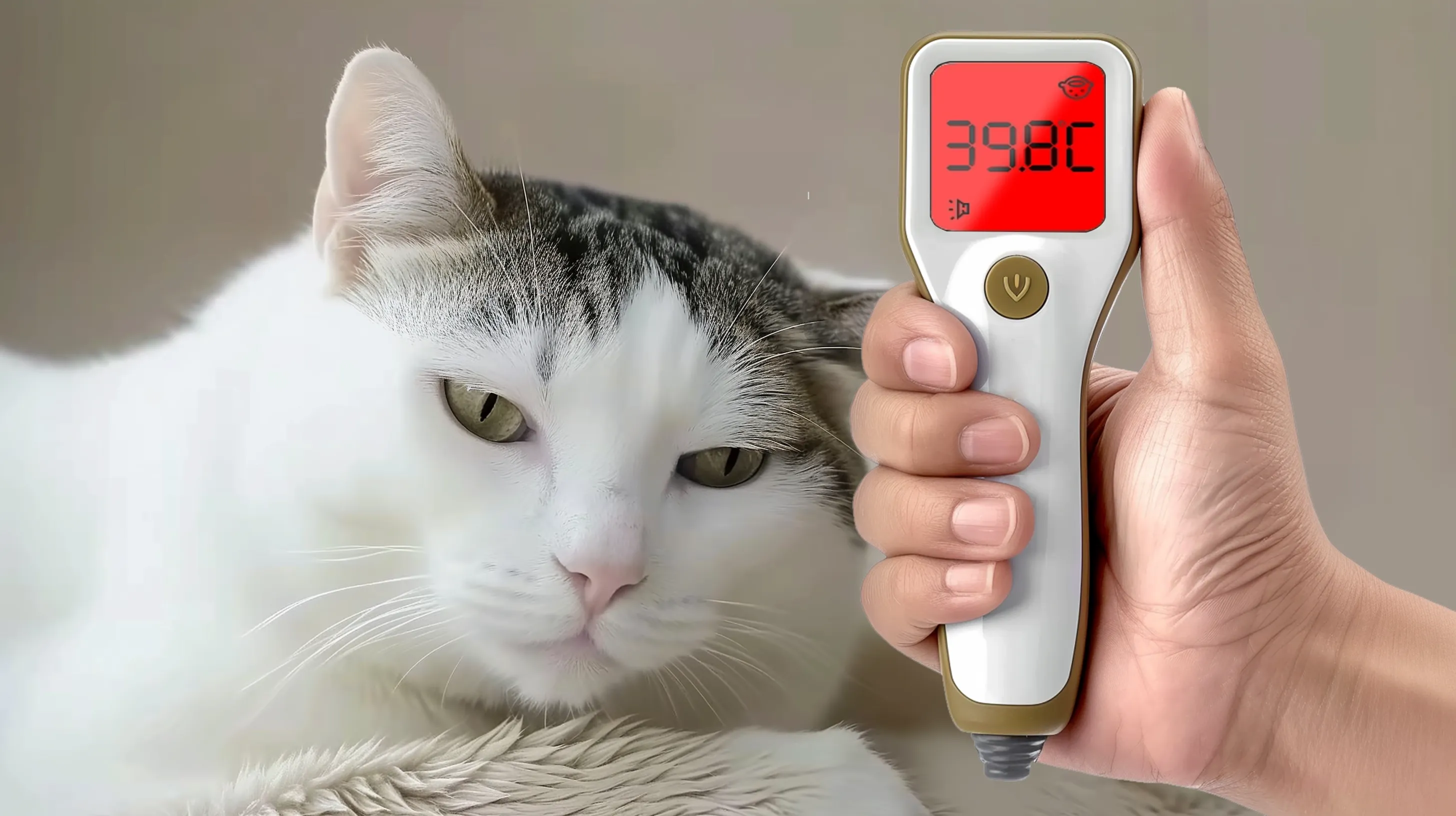
Persistent fever over 4 days that does not respond to antibiotics

A cat's normal temperature is 38.0–39.2°C. FIP fever is persistent (4+ days), fluctuating (rising and falling), and fully unresponsive to standard antibiotics. Take a rectal temperature at the same time each day and chart the trend — it tells you more than any single reading.

Both wet and dry formsDaily logging recommendedAbove 39.5°C — see a vet
Close-up of a cat's eye showing uveitisClassic dry form
5
SYMPTOM · 05 · OCULAR

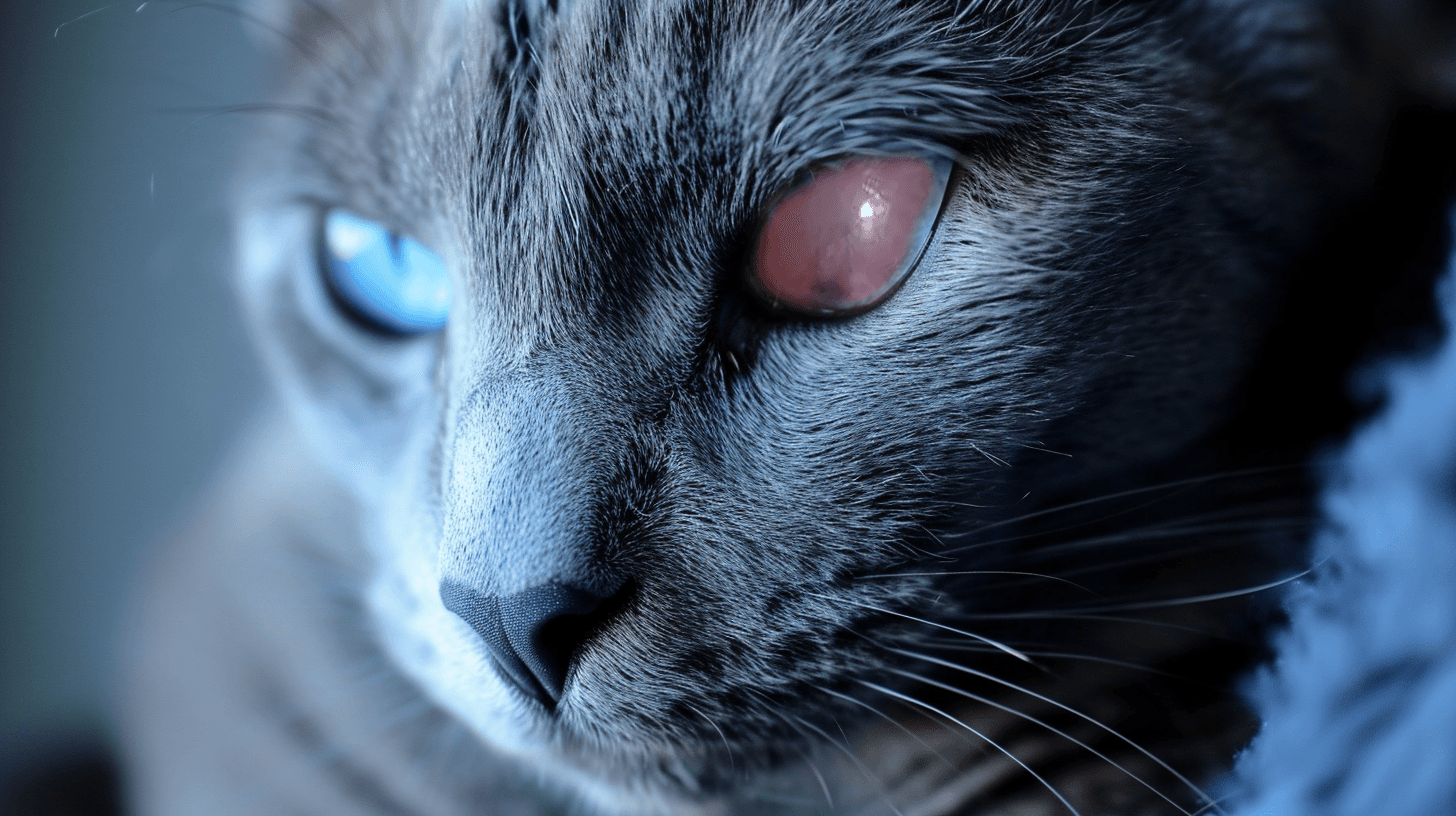
Ocular lesions — uveitis, corneal deposits, anisocoria

Dry FIP often shows up first in the eyes: iris colour change (patches turning brown), anterior chamber bleeding or white deposits, asymmetric pupils, retinal lesions. If your cat's eyes look "cloudy" or you spot abnormal colour patches, photograph and upload them right away.

Strong dry-form signalEasily confused with conjunctivitisSlit-lamp exam needed
Cat with a visibly swollen abdomenClassic wet form
6
SYMPTOM · 06 · ABDOMEN / RESPIRATORY

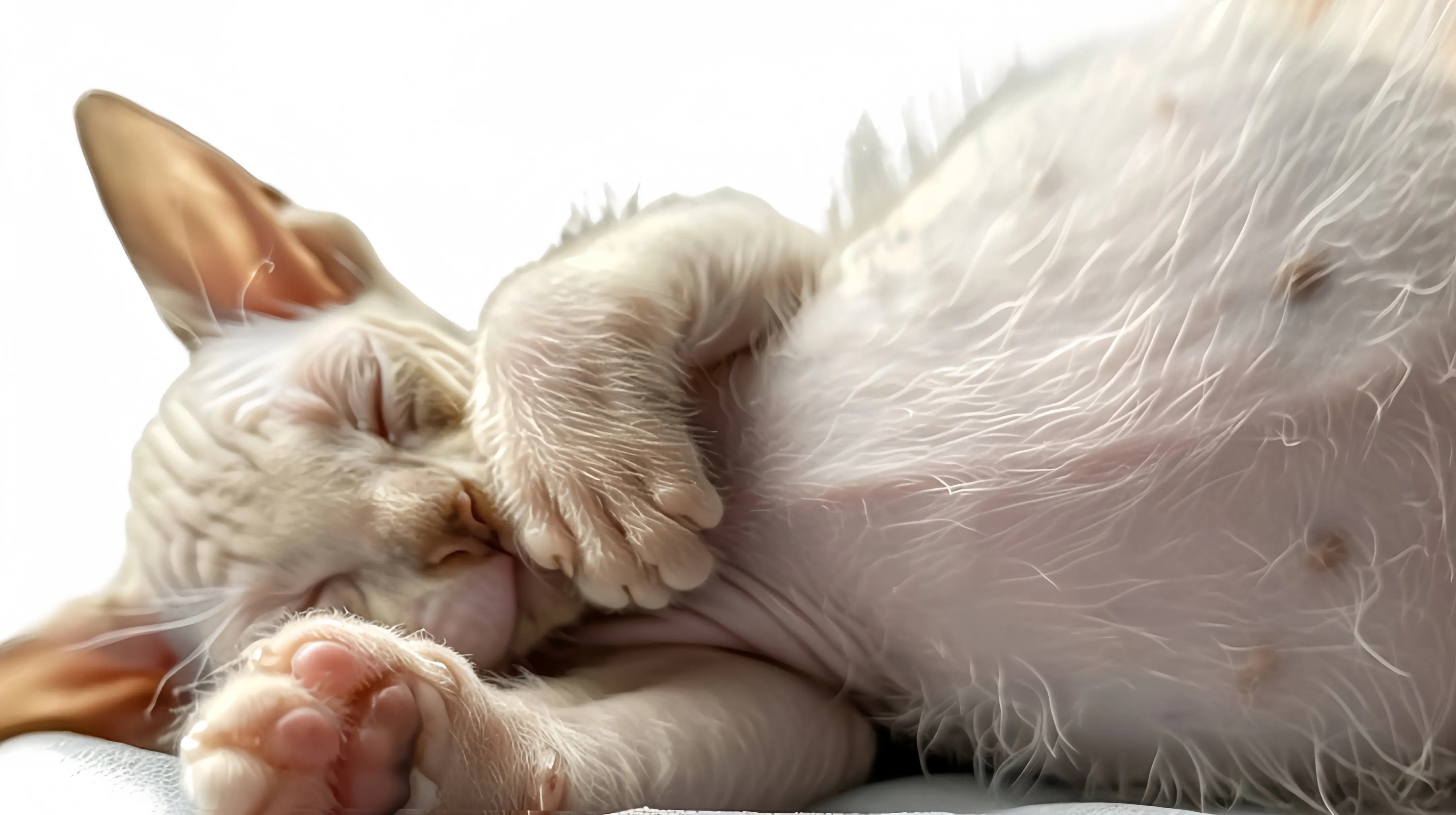
Abdominal swelling and rapid breathing

The hallmark sign of wet FIP. After vascular damage, fluid leaks from vessels into the abdomen or chest — the abdomen enlarges quickly, feels soft, and sloshes when gently pressed (ascites). Pleural effusion compresses the lungs, producing rapid shallow breathing and, in severe cases, abdominal breathing.<br/>Abdominal breathing means go to the clinic immediately.

Hallmark of wet FIPAbdominal breathing = emergencyEffusion is yellow and viscous
Vet listening to a cat's heart with a stethoscopeCardiac involvement
7

Cardiac involvement — pericardial effusion and anaemic murmur

Pericardial effusion: abnormal fluid in the pericardial sac, which can produce tachycardia and arrhythmia — an important signal of cardiac FIP involvement.<br/><br/>Anaemia-driven heart murmur: in anaemic states heart rate and flow rise, producing an abnormal sound between beats. If your vet mentions a murmur on auscultation, read it together with the CBC HCT value.

Both wet and dry formsConfirm with cardiac ultrasoundHCT ≤ 24% raises the risk
Hunched cat with unsteady posture and awkwardly placed legsLate-stage · poor prognosis
8
SYMPTOM · 08 · NEUROLOGICAL

Neurological signs — ataxia, nystagmus, seizures

About 12% of dry FIP cases develop neurological signs: ataxia (unsteady gait, falls), head tremors, muscle twitching, rapid horizontal eye movement (nystagmus), and in severe cases seizures. This is a strong late-stage signal — therapy becomes harder and dosing must increase. As soon as neurological signs appear, contact us immediately.

Late-stage signalDose may rise to 200 mg/kg/dayPrognosis is poorer than other stages

Recognising several of these? Act now.

Book a clinic appointment, register your cat with us, and reach out to the team.

03 — TypesWET · DRY · MIXED

FIP comes in wet, dry, and mixed forms.

The form you are dealing with shapes which indicators to track, the dose, and the recheck cadence. Wet form moves fast but responds well; dry form moves slowly but is harder to diagnose. Mixed sits between the two.

TYPE · 01
65%

Wet Wet / Effusive

Acute effusive form

After vascular damage, fluid leaks into the abdomen or chest, forming a yellow, viscous, high-protein effusion. This is the acute form of FIP — fast moving, but responsive to early intervention.

Typical presentation
  • Abdominal swelling (ascites) or rapid breathing (pleural effusion)
  • Yellow viscous effusion, high in protein
  • Fever, reduced appetite, weight loss
  • Jaundice, occasional diarrhoea or vomiting
  • Often appears 2–4 weeks after a stress event
Key indicators
  • A/G ratio ≤ 0.6
  • CRP markedly elevated
  • Effusion PCR positive supports diagnosis
TYPE · 02
35%

Dry Dry / Non-Effusive

Chronic form · hardest to diagnose

No effusion forms; instead, granulomatous inflammation appears across multiple organs. It often involves the eyes and nervous system. The course can run months to years; signs are subtler than wet form and progress more slowly.

Typical presentation
  • Reduced appetite, weight loss, coarse coat
  • Iris colour change, corneal deposits, anterior-chamber bleeding
  • ~12% develop neurological signs: ataxia, nystagmus, seizures
  • Jaundice, polydipsia/polyuria with liver/kidney involvement
  • Anaemia, chronic low-grade fever
Key indicators
  • A/G ratio usually ≤ 0.4 (can fall to 0.3)
  • γ-globulin markedly elevated
  • ALT/AST may rise; HCT may fall
TYPE · 03
Rare

Mixed Mixed

Less common · both types coexist

The same cat shows both wet-form effusion and dry-form organ, ocular, or neurological lesions. Wet may convert to dry, or dry may develop secondary effusion. The plan must adapt to whichever signs dominate.

Recognition
  • Both effusion and ocular or neurological signs
  • Wet "converting to dry" mid-course is not unusual
  • Often paired with hyperbilirubinaemia and significant anaemia
  • Track effusion PCR and bloodwork together
Strategy
  • Treat as wet initially to control effusion
  • Raise dose to 200 mg/kg/day on neurological onset
  • Shorten recheck cadence to every 2 weeks
04 — StagesEARLY · MID · LATE

The disease moves through early, mid, and late stages.
Stage decides dose.

The earlier intervention begins, the higher the chance of reversal — and the lighter the overall course.

STAGE 01 · EARLY

Early

  • Low-grade fever, slightly off
  • Mild appetite drop
  • Less active, more sleeping
  • Mild weight loss, coat starts to lose lustre
  • May come with vomiting or diarrhoea
LAB · INDICATORS
Leukocytosis · Neutrophilia · Hyperglobulinaemia begins
Dose: 100 mg/kg/day
STAGE 02 · MID

Mid

  • Visible ascites or pleural effusion (wet)
  • Ocular or neurological signs (dry)
  • Marked weight loss, malnutrition
  • Jaundice, anaemia (HCT ≤ 24%)
  • Intermittent fever
LAB · INDICATORS
A/G ≤ 0.5 · CRP high · Bilirubin elevated · Liver enzymes elevated
Dose: 100–150 mg/kg/day
STAGE 03 · LATE

Late

  • Severe wasting, rapid breathing
  • Severe neurological signs: seizures, paralysis
  • Severe anaemia (HCT ≤ 16% may need transfusion)
  • Marked jaundice, signs of haemolysis
  • Risk of multi-organ failure
LAB · INDICATORS
A/G ≤ 0.4 · Bilirubin sharply ↑ · Severe non-regenerative anaemia
Dose: 200 mg/kg/day · urgent assessment

All stages may show CRP and γ-globulin elevation. The values above are reference ranges; your dose should be set by the clinical companion team based on body weight, symptom combination, and liver/kidney function.

05 — Home self-checkHOME SELF-CHECK

Five things you can do at home.

You cannot self-confirm FIP at home — but every parent can do these five things, and every data point you collect is exactly what your vet needs to act on.

01

Track appetite

Weigh the bowl before and after each meal. A daily intake drop of more than 30% across three days is worth flagging.

Kittens that stop growing = strong signal
02

Watch behaviour

Is sleep getting longer? Is your cat hiding, no longer greeting you at the door? Log one line a day.

Shoot a 15-second baseline video
03

Daily temperature

Normal range is 38.0–39.2°C. Take a rectal reading at the same time each day and chart the trend — it tells you more than any single number.

Above 39.5°C for 4 days = vet visit
04

Photo log

Same angle, same light, once a week. Focus on inner ears, nose bridge, gums, eye whites, and abdominal girth.

Jaundice reads cleanest in daylight
05

CBC + chemistry panel

Key values: A/G ratio, globulin, albumin, HCT, ALT, bilirubin. Send the report to us and we will walk through it line by line.

This is the most important step
Decision flow · WHAT TO DO NOW
Fever over 4 days, antibiotics not working
See a vet now and run a CBC
Distended abdomen or rapid breathing
Same-day clinic visit · do not wait
Eye changes (iris colour shift, asymmetric pupils)
See a vet now · book a slit-lamp exam
Neurological signs (unsteady gait, seizures)
Go to the clinic immediately · possible late dry FIP
Only reduced appetite and lethargy
Watch for 3–5 days and run a CBC
06 — MUTIAN WARRIORSREAL CASES · REAL OUTCOMES

MUTIAN warriors — every one of them has a name.

These aren’t marketing assets. Each card is a real, owner-authorised recovery story from our research community. Click in to read the full account.

image-20240831194117-1-66d3015de1127.pngRECOVERED
Sebastian
FIP

Name: Sebastian

clover-66d2fe538b6dd.jpgRECOVERED
Clover
FIP

Name: Henry

image-20240831191753-1-66d2fbe20873c.pngRECOVERED
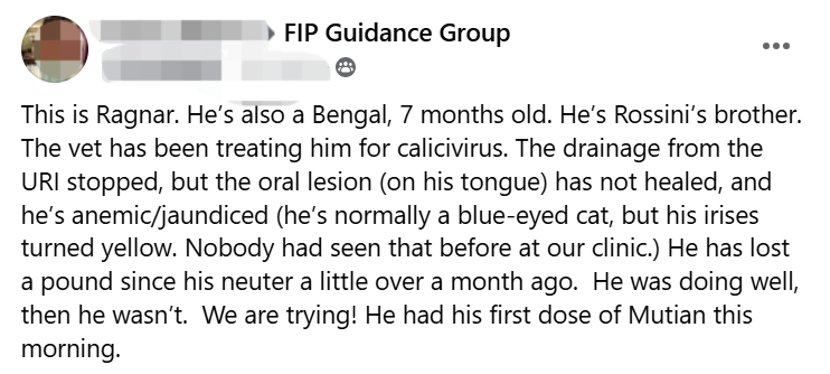
Ragnar
FIP

Name: Ragnar

frankie-66d2fa5fcdac9.jpgRECOVERED
Frankie
FIP

Name: Frankie

image-20240831190557-1-66d2f9165e84d.pngRECOVERED
Sonny
FIP

Name: Sonny

betty-66d2f7d9ca6c6.jpgRECOVERED
Betty
FIP

Name: Betty

image-20240831183107-1-66d2f0ebdeaad.pngRECOVERED
Tesla
FCGS

Name: Tesla

emma-66d2f0385ea76.jpgRECOVERED
Emma
FCGS

Name: Emma

07 — ProtocolPRODUCT

MUTIAN is a clinical research unit purpose-built for the 84-day FIP observational protocol.

MUTIAN supports the cat by reinforcing the immune system and overall condition during the protocol sequence. <br/>Used under the supervision of a clinical companion team alongside your vet.

Companioned worldwide
42,000+
FIP cats through the full protocol
Standard sequence
84 days
Neuro / ocular forms run 112 days
Relapse coverage
180 days
Auto-activates on Day 85
MUTIAN · Mutian Global · EST. 2019

Standard 84-day sequence

Pre-portioned by body weight (≤ 5 kg / 5–8 kg / > 8 kg), with dose set by stage. Each shipment carries 28 days of supply, and we review CBC + chemistry monthly. The companion team adjusts dose based on the indicator trend. If the cat has not cleared by day 84, we extend the protocol free of charge to day 180.

EARLY · early stage
Reduced appetite, low-grade fever, mild wasting. Both wet and dry forms.
100 mg/kg/day
MID · mid stage
Ascites/pleural effusion or ocular lesions. Jaundice and anaemia begin.
100–150 mg/kg/day
LATE · late stage
Neurological signs, severe anaemia, multi-organ involvement. Urgent review.
200 mg/kg/day
Quoted after consultation · by body weight and stage
08 — How it worksHOW IT WORKS

From registration to recovery, four steps · 84 days.

The companion team is with you at every step. You don't need to decode every indicator first — we read each one with you, line by line.

01
DAY –3 to DAY 0

Register and assess

Submit symptoms, photos, and the most recent bloodwork. The companion team replies with whether the picture fits FIP and whether the MUTIAN sequence is appropriate.

02
DAY 0 · start

Shipment & Day 0

The 84-day sequence — pre-portioned by body weight — arrives the next day. The companion team confirms the starting dose with you. Open a daily symptom + temperature log.

03
DAY 28 · DAY 56

Monthly review & dose tuning

Upload a fresh CBC + chemistry once a month. The companion team reads the A/G, CRP, bilirubin, and HCT trend, and decides whether to hold, raise, or lower the dose.

04
DAY 84 → DAY 168

Complete & observe

After day 84, an 84-day observation window begins. Stable indicators with no relapse equals recovery. If the cat has not cleared, MUTIAN extends free of charge to day 180.

09 — 84-day guaranteeGUARANTEE
Relapse coverage

Coverage activates on Day 85,
any relapse within 180 days, we cover.

Once the 84-day sequence is complete, coverage activates automatically on Day 85. If the cat relapses within the next 180 days, we provide up to 180 days of additional supply free of charge — exact length is set by the vet on review. No extra fee. No reactivation cost.

Relapse top-up at zero cost
Neuro / ocular forms: 112-day sequence, activates on Day 113
FIV / FeLV positive cats are not covered
Must run MUTIAN end-to-end — no mixing brands
180
DAY RELAPSE COVERAGE
Activates Day 85
10 — Important notesIMPORTANT NOTES

We owe you an honest answer.

The notes below come out of 42,000+ real cases. We write them onto every order page — because transparency is how we do this work.

01 · Works with your vet

MUTIAN runs alongside your veterinary team

MUTIAN is a clinical research unit purpose-built for FIP cats and runs in parallel with your vet's diagnosis and treatment plan. With your authorisation, your vet can review protocol progress directly, and our companion team helps interpret the indicators.

02 · Relapse coverage

180-day full coverage after activation

Once coverage activates (Day 85), any relapse within the next 180 days qualifies for free additional supply (up to 180 days, exact length set by the vet on review) — with the same companion care and indicator tracking running throughout.

03 · Early intervention

The earlier you start, the better the outcome

The data shows that late-stage wet form (multi-organ involvement) carries higher early-phase risk on the protocol. MUTIAN recommends starting the sequence as soon as the diagnosis is in hand — early intervention is the single biggest lever on outcomes.

11 — Common questionsFAQ

Questions we hear most often.

Not sure where to start?
Begin by registering your cat.

FOR CAT PARENTS

Register your cat → order the 84-day sequence

Spend 3 minutes on symptoms, age, weight, and your most recent bloodwork. The companion team picks it up and tells you the next step.

  • Free initial review · no purchase required
  • Upload a CBC · we walk through it line by line
  • AI companion + clinician · 24/7 online
  • Worldwide shipping · 84-day guarantee · free extension to 180
FOR VETS / CLINICIANS

Veterinary partner portal

Once verified, partner pricing scales by tier; orders and case contributions move you up. Full terms and product documentation live on the partner page.